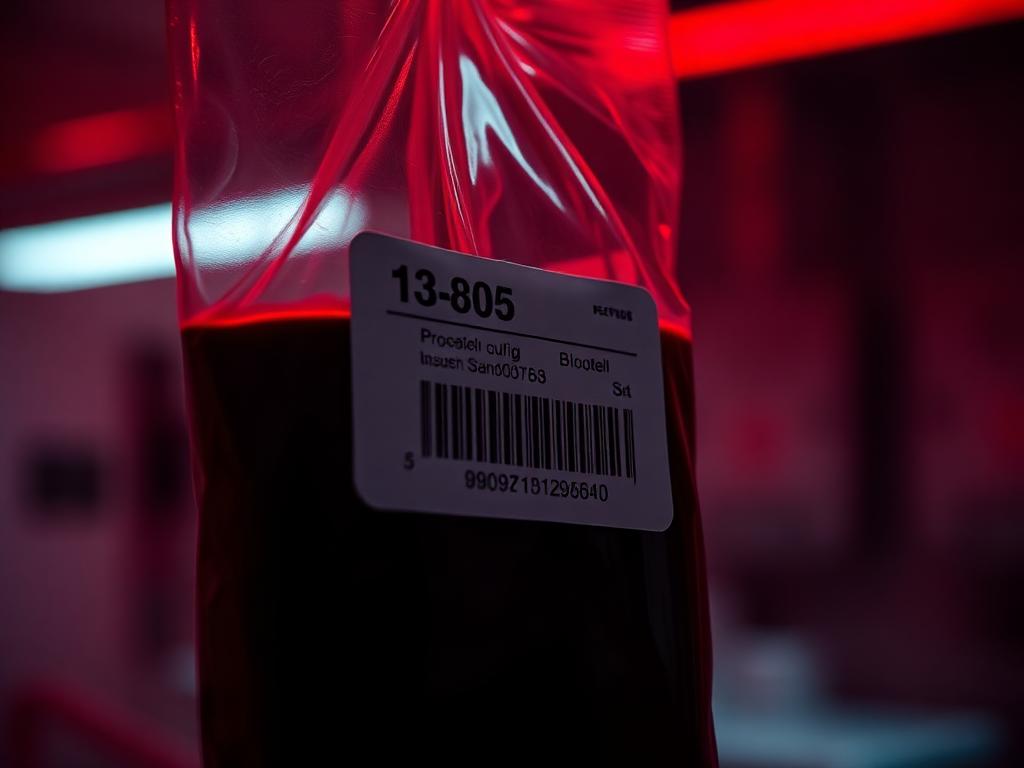
01 — Risk
Mislabeled Units
A mislabeled unit reaching the wrong patient — a single clerical error with life-threatening consequences and no easy path to recovery.

Built for Blood Banking
A dedicated system for managing the full lifecycle of blood collection, processing, testing, and transfusion. Built with safety-first logic to protect patients and streamline blood bank operations under the highest regulatory standards — because in blood banking, there is no margin for error.
In blood banks running on outdated or disconnected systems, small failures compound into patient safety incidents and compliance crises.
A mislabeled unit reaching the wrong patient — a single clerical error with life-threatening consequences and no easy path to recovery.
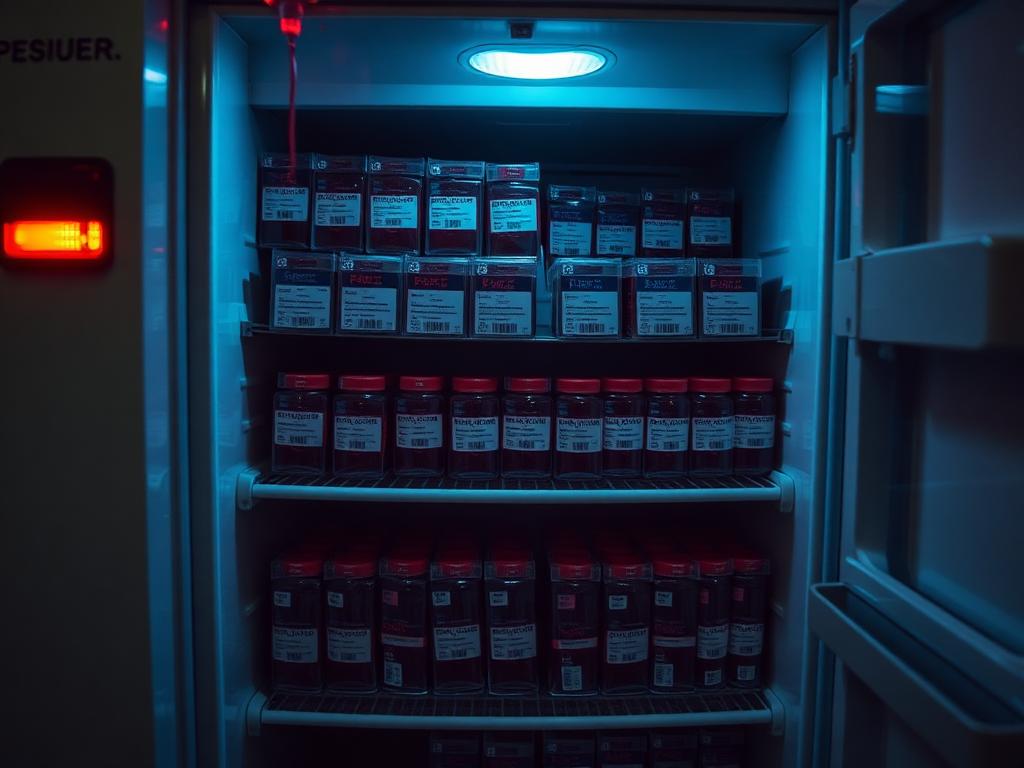
Expired components missed because inventory tracking was manual, wasting precious donations and exposing patients to risk.

A donor turned away — or worse, cleared in error — because eligibility history was stored on paper and never reconciled.

A transfusion reaction with no structured reporting pathway, no investigation workflow, and no data trail for hemovigilance.

A regulatory audit revealing gaps in chain-of-custody documentation — exactly the gaps that erode trust and put licensure at risk.
From donor walk-in to documented transfusion — every action tracked, validated, and recorded with the precision that patient safety demands.
Build comprehensive donor profiles with full medical history, travel records, medication flags, and deferral tracking. Automated eligibility checks against configurable screening criteria ensure no ineligible donor proceeds to collection. Permanent and temporary deferrals are logged and enforced system-wide.
Record whole blood and apheresis collections with full lot traceability. Document component preparation — packed red cells, platelets, fresh frozen plasma, cryoprecipitate — with processing timestamps, technologist assignments, and quality checks at every step.
Manage ABO and Rh typing, antibody screening, and infectious disease testing workflows. Link laboratory results directly to unit records. Units with pending or failed test results are automatically quarantined and blocked from issue.
Run electronic or serological crossmatch workflows with built-in compatibility logic. The system flags incompatible pairings before issue, providing an additional patient safety checkpoint that never sleeps.
Maintain real-time visibility of every unit across all storage locations — refrigerators, freezers, and satellite stores. Automated expiry alerts surface aging inventory days in advance, giving your team time to act before wastage occurs. FIFO issue logic is enforced by default.
When a transfusion reaction occurs, clinicians can log it directly in the system. The blood bank receives an immediate notification, triggering a structured investigation workflow. All reaction data feeds into your hemovigilance reporting module for regulatory submission and trend analysis.
Every unit carries a compliant ISBT 128 label. Every movement — from collection through processing, storage, issue, and transfusion — is logged with user, timestamp, and location. Your audit trail is always complete, always current.
The system retrieves the donor's full history, runs automated eligibility checks, and either clears them for collection or flags the appropriate deferral reason — all before a needle is placed.
Average reduction in blood component wastage
Chain-of-custody documentation on every unit issued
Faster regulatory audit preparation with automated compliance reports
Unit traceability from collection to transfusion
Zero compatibility errors reported post-implementation across client sites. 28% increase in donor return rates through automated recall and engagement tools.
Secreta Blood Bank integrates directly with your HIS, LIS, and EMR to eliminate duplicate data entry and ensure real-time information flow between departments. Transfusion requests arrive automatically from clinical systems. Test results flow in from the laboratory without manual transcription.


Compatibility logic is embedded in the issue workflow. Before any unit can be issued for transfusion, the system validates ABO and Rh compatibility and confirms crossmatch results. An incompatible pairing cannot proceed without a documented clinical override from an authorized user.
Yes. Both collection types are fully supported with separate workflow paths, component processing steps, and labeling requirements.
The unit is automatically placed under a system-enforced quarantine. It cannot be issued or moved to available inventory until the hold is reviewed and resolved by an authorized staff member. A complete record of the event is logged.
Yes. If a donor is later found to be reactive on a previous or subsequent donation, the system can trace all prior donations from that donor and initiate a structured lookback notification workflow.
Adverse transfusion events are logged directly by clinical staff. The blood bank is notified immediately. The system guides investigators through a structured root cause analysis and formats the completed report for submission to national or regional hemovigilance authorities.
Yes. Secreta Blood Bank is designed to support compliance with AABB standards, EU Blood Directive requirements, FDA 21 CFR Part 11, and ISO 15189. Specific compliance configurations are available by region.
Most blood banks complete full implementation in 3 to 6 weeks. Complex multi-site deployments with multiple HIS integrations may require additional time. A dedicated implementation specialist is assigned to every account.
Every unit your blood bank issues carries the weight of a patient's life. Give your team the system that matches that responsibility — with the traceability, safety logic, and compliance tools that leave nothing to chance.
No setup fees. No long-term contracts. Dedicated support from day one.
Let's Get Started
We're ready to help with your digital transformation. Get in touch with our experts within 24 hours.
“From day one, the level of professionalism and technical expertise was outstanding. They turned our complex requirements into an elegant, scalable solution.”